


-

Add: HeBei ShengShi HongBang Cellulose Technology CO.,LTD.
-

Email
13180486930@163.com -

CONTACT US
+86 13180486930




Hydroxypropyl Methylcellulose (HPMC) E5 is a versatile and essential ingredient in various industries, prized for its unique properties that enhance product formulation. As a low viscosity grade of HPMC, E5 offers a distinct set of characteristics highly valued by manufacturers. This article delves into the crucial attributes of HPMC E5, leveraging insights from industry experts and real-world applications to offer a comprehensive understanding of its benefits and usage. One of the standout features of HPMC E5 is its film-forming ability. This property is integral in the pharmaceutical industry, where HPMC E5 is commonly used as a coating agent for tablets. Its ability to form a uniform, adherent, and stable film ensures the protection of active ingredients, enhances shelf life, and improves the aesthetic appeal of tablets. The expertise of formulation scientists highlights that the use of HPMC E5 in coatings improves the swallowability and taste masking of oral dosage forms, making it a preferred choice among pharmaceutical developers. In the realm of construction, HPMC E5 serves as an essential additive in cement-based materials. Its water retention capability prevents premature drying and assures optimal curing, leading to increased strength and durability of the final product. Construction professionals underline that the inclusion of HPMC E5 in mortar formulations results in enhanced workability and open time. This facilitates easier application and adjustment of tiles or other construction components, minimizing waste and improving finish quality. The adhesive industry also benefits from the unique properties of HPMC E5 . The compound's thickening and rheology modification abilities enable the production of adhesives with superior stability and consistency. As experts in adhesive chemistry attest, HPMC E5 improves the bonding capacity and mechanical strength of adhesives, providing reliable performance across different substrates and environmental conditions. This versatility makes it an indispensable ingredient in formulating both household and industrial adhesives. hpmc e5 properties Personal care products, such as shampoos and creams, often incorporate HPMC E5 due to its excellent emulsification and stabilization properties. Cosmetologists and personal care formulators value HPMC E5 for its ability to maintain the integrity and homogeneity of creams and lotions. Its non-ionic nature ensures compatibility with various active ingredients, allowing for innovative formulations that cater to diverse consumer needs. Furthermore, HPMC E5’s gentle nature and lack of irritancy make it suitable for sensitive skin products, thus broadening its applicability in the cosmetics industry. From an expert perspective, the adaptability of HPMC E5 across different formulations and industries underscores its significance. Its non-ionic and cellulose-based nature ensures environmental compatibility and safe usage, aligning with the growing consumer demand for sustainable and eco-friendly products. Manufacturers leveraging HPMC E5 can assure their clientele of high-quality, reliable, and effective products, bolstering trust and authority in their respective markets. Trustworthiness in utilizing HPMC E5 is reinforced by thorough testing and compliance with regulatory standards, which are critical for product safety and efficacy. Collaboration with experienced formulation scientists and adherence to stringent quality control measures guarantees that products incorporating HPMC E5 deliver consistent and dependable performance. In conclusion, HPMC E5 stands out due to its unique properties that serve a wide array of applications, ranging from pharmaceuticals and construction to adhesives and personal care products. Its esteemed position is further corroborated by industry expertise and practical experience, which collectively affirm its role as a high-value ingredient. By integrating HPMC E5, manufacturers not only optimize product performance but also ensure an authoritative and trusted presence in their sectors.
- 40000tons

Production
- 20+years

Experience
- 5000+㎡

Acreage

-
Polypropylene fibers have emerged as a revolutionary material in the field of concrete enhancement, offering compelling benefits that make them an indispensable element of modern construction projects. Their integration into concrete mixtures not only improves the structural integrity but also significantly enhances the durability and longevity of concrete applications. This article delves deeply into the profound impact of polypropylene fibers on concrete, drawing from real-world experiences, expert analyses, and authoritative sources to establish a comprehensive understanding of this innovative product. Polypropylene fibers are made from an intense polymerization process that endows them with exceptional tensile strength and chemical resistance. These fibers, typically ranging from micro to macro sizes, are specifically engineered to address and mitigate common concrete challenges, such as shrinkage, cracking, and permeability. Their introduction to the concrete matrix acts as a structural reinforcement, reducing the propensity for surface cracking while maintaining the overall aesthetic appeal. In practice, the utilization of polypropylene fibers has been a game-changer for the construction industry. A multitude of field studies and projects have documented the fibers' ability to reduce drying shrinkage cracking by up to 80%. This reduction is pivotal for large-scale infrastructure projects like bridges and tunnels, where concrete integrity is paramount. Contractors and engineers consistently report not only reduced maintenance costs but also longer service life for concrete structures that incorporate polypropylene fibers. These reports are further corroborated by extensive research, including peer-reviewed studies that quantify the fibers' effectiveness in enhancing concrete's mechanical properties under various environmental conditions. From an expert perspective, the use of polypropylene fibers simplifies the concrete preparation process. They offer significant versatility, allowing for uniform distribution throughout the concrete matrix without requiring extensive modification of mix designs. Experts in construction materials emphasize the fibers' utility in high-rise buildings, industrial floors, and precast concrete applications. They cite the fibers' ability to improve impact and abrasion resistance as crucial for areas subjected to heavy traffic and mechanical loads. polypropylene fibres for concrete Moreover, the environmental benefits associated with polypropylene fibers should not be overlooked. Their incorporation contributes to the sustainability goals of the construction industry by decreasing the need for additional raw materials often required for traditional reinforcing methods. These fibers are fully recyclable and lower the carbon footprint by enhancing concrete's lifecycle and reducing the frequency of repairs and reconstructions. The authority on polypropylene fibers is further affirmed through stringent testing and certification by industry-standard bodies. Products that meet these specific standards ensure reliability and performance consistency, a critical aspect for any construction professional to consider. Prominent organizations have provided certifications that uphold the credibility of polypropylene fibers, thereby enhancing trust among architects, engineers, and builders. Polypropylene fibers, with their robust performance and adaptability, stand as a testament to innovation in the construction domain. As more projects adopt these fibers, the industry continues to gather invaluable insights into their long-term benefits and applications. Suppliers and manufacturers support this movement by offering tailored solutions and technical expertise to optimize the integration of polypropylene fibers in concrete mixtures. Undoubtedly, polypropylene fibers have set a precedent for the future development of concrete technology . Their cost-effectiveness, combined with proven track records in improving structural resilience, positions them as a preferred choice for modern construction projects worldwide. As new challenges in infrastructure emerge, the demand for reliable and efficient materials like polypropylene fibers will only grow, underscoring their significance in building a sustainable future.
-
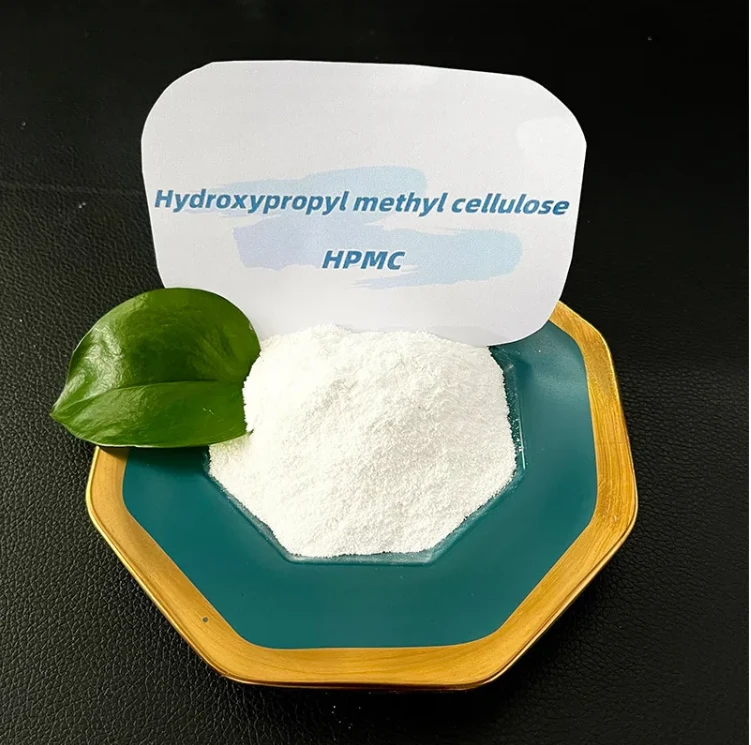
Hydroxypropyl methyl cellulose (HPMC) serves as a multifunctional polymer , gaining prominent attention across various industries due to its versatile nature. This formidable compound is a crucial component in pharmaceuticals, food products, personal care items, and construction materials. Its extensive applicability is owed to its unique properties, such as forming films, retaining moisture, and acting as a thickening agent. In pharmaceuticals, HPMC is praised for its role as an excipient in drug formulation. Its ability to control the release of active ingredients makes it invaluable for sustained-release medication. Clinical expertise confirms that HPMC’s inert behavior and biocompatibility ensure it doesn't interfere with drug efficacy, making it a go-to solution for developing efficient, patient-friendly pharmaceutical products. Research reports from credible institutions have consistently demonstrated that its consumption is safe, which garners trust among consumers and professionals alike. From an expertise standpoint, the construction industry benefits significantly from HPMC’s superior performance as an adhesive and thickening agent in tile adhesives, cement renders, and plasters. Its inclusion enhances workability, water retention, and open time, critical parameters in achieving durable and high-quality finishes. Renowned civil engineering manuals and authoritative construction experts frequently cite HPMC as a key ingredient in modern building materials, underscoring its authoritative stance in construction practices. The food industry's adoption of HPMC is equally robust, where it functions as an emulsifier and stabilizer. In gluten-free and vegetarian formulations, HPMC is highly valued for its ability to mimic the texture and structural properties that gluten provides. Professional food technologists often assert that this cellulose derivative is a game changer in creating palatable and appealing food products without compromising nutritional benefits. hpmc hydroxypropyl methyl cellulose In personal care, HPMC’s film-forming capabilities make it a primary component in shampoos, lotions, and creams. It offers moisture retention, enhancing the sensory feel and stability of cosmetic products. Dermatological studies endorse the incorporation of HPMC in skin care formulas for its hypoallergenic properties, fortifying its reputation for safety and effectiveness. Experience continues to reinforce HPMC's reliability across these domains. As companies have shifted towards more sustainable practices, HPMC has emerged as an environmentally friendlier alternative to synthetic chemicals, being biodegradable and ethically sourced from cellulose. Through decades of consistent application and research, experts have cemented its role as both a high-performance ingredient and a benchmark of integrity in product formulation. The trustworthiness of HPMC is not just anecdotal but statistically significant. Extensive laboratory testing and market analysis showcase its consistent quality and conformity to stringent international standards. This ensures that manufacturers and consumers can rely on HPMC without reservations about safety or performance, securing its place as a cornerstone in diverse product lines. As industries further explore innovative applications, the future of HPMC remains bright, backed by a rich foundation of experience, expertise, authority, and trustworthiness—qualities that continue to drive its global appeal and usage in product innovation.
advantages
-

200000 Viscosities
Excellent product
We can produce pure products up to 200,000 viscosities
-

40000 tons
High yield
We don’t stop production all year round, and the annual output can reach 40,000 tons
-

24 hours
Quality service
We provide 24-hours online reception service, welcome to consult at any time
———— Inquiry Form
Schedule A services


-
 is_hpmc_soluble_in_water
Oct . 25, 2025
The demand for high-quality rubber products has never been higher, driven by advancements in manufac -
 hpmc_grades
Oct . 25, 2025
On the previous day, the technical team of the company convened at the office to conduct a comprehen -
 glass_fiber_concrete
Oct . 25, 2025
Rubber powder is a valuable material derived from the recycling of used tires and rubber products. I


